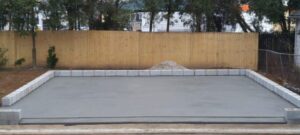
When planning an outdoor structure like a garden shed or workshop in Norwich it’s essential to understand the fundamentals of creating a stable and long-lasting base. A properly laid foundation not only keeps your building level and secure but also protects it from moisture movement, soil changes and uneven settling over time. One of the most reliable options for a strong base is provided by trusted Concrete Floor Installation Contractors who specialise in producing foundations that are durable, resilient and perfectly suited to your site conditions.
This comprehensive guide covers everything homeowners in Norwich need to know about shed base design, why the importance of a solid shed foundation cannot be overstated, exactly how to prepare the ground for a shed foundation, best practices for pouring concrete, and how to work with reputable building companies Norwich to achieve professional results.
Understanding Shed Foundations and Why They Matter
Before any work begins it’s important to understand what a shed foundation is and why it matters so much to the longevity and performance of your outdoor structure.
What Is a Shed Foundation?
At its simplest a shed foundation is the base upon which your structure sits. It must distribute the weight of the shed evenly to prevent shifting from frost or ground movement, prevent moisture from wicking up from the soil and keep the entire building stable and level for many years.
The Importance of a Solid Shed Foundation
The importance of a solid shed foundation cannot be overstated for several key reasons:
Durability and Stability
A strong foundation prevents the shed from shifting over time due to wind water or soil settlement. Without a robust base the structure may lean, crack or become uneven leading to doors and windows failing and water ingress.
Protection from Moisture and Rot
Concrete acts as a barrier between the shed floor and ground moisture. Wooden floors in contact with damp soil can rot quickly leading to structural weakness. A good foundation significantly prolongs the life of your building.
Even Load Distribution
The weight of a fully assembled shed including stored items can exert a substantial load on the ground. Concrete foundations distribute this load evenly reducing the risk of localized sinking or tilting.
Choosing the Right Type of Foundation
Not all sheds are the same and different materials and construction types may require different foundation approaches. The most common foundation choices include:
Gravel Pad Foundations
Ideal for lightweight sheds a gravel base uses compacted stone to provide drainage and reduce frost movement. While effective for small structures it is less ideal for larger sheds or workshops where weight distribution and moisture control are critical.
Timber Bearer Foundations
These involve pressure-treated timber beams laid on a compacted base. They provide a raised platform and can reduce ground contact for wood-framed structures but are vulnerable to rot and shifting over time compared to concrete.
Concrete Block or Paving Slab Bases
These are level block supports for shed floor joists. They offer a more stable solution than timber alone and provide good load support if installed carefully.
How to Prepare the Ground for a Shed Foundation
The success of your shed foundation depends heavily on site preparation. This stage is crucial and must be done thoroughly to create a base that will last decades. Professional teams experienced in how to prepare the ground for a shed foundation follow a detailed process to ensure every step is optimised.
Step 1: Choose and Mark the Site
Before any digging begins you must select a level or near-level site that drains well and is easily accessible. Choose a location free of large tree roots, underground services or standing water. Use stakes and strings to mark the perimeter exactly where the shed will sit.
Step 2: Clear the Site
Remove grass plants and organic material from the marked area. This includes roots stones and any debris that could lead to uneven settling. Clearing down to firm soil ensures the base won’t shift later.
Step 3: Excavate the Area
Excavate the topsoil to the required depth, which depends on the foundation type. For a concrete slab this often means digging out around 150-250mm (6-10 inches) of soil to allow room for sub-base material, drainage and the concrete itself.
Step 4: Prepare and Compact the Sub-Base
A critical stage is adding a sub-base layer of crushed stone or gravel. This material is spread evenly and compacted thoroughly with a plate compactor. The compacted sub-base provides a stable foundation that reduces future movement and improves drainage.
Step 5: Install Edge Forms
If you are pouring a concrete slab, timber or metal edge forms are set up to create a mould for the concrete. These forms must be straight level and secure to ensure the slab finishes flat and true.
Working with Reputable Builders in Norwich
Concrete shed foundation work requires precision and local knowledge. Selecting dependable building companies Norwich ensures that your foundation project is handled professionally from start to finish.
Local Expertise Matters
Builders who understand the soil conditions, weather patterns and building regulations in Norwich will prepare better and deliver foundations that withstand local challenges. Their experience means fewer surprises and a smooth installation process.
Project Management
Professional builders not only handle the technical aspects, they also manage logistics, timelines and communication. They ensure the site is prepared correctly, materials arrive on schedule and the work complies with current standards and regulations.
Safety and Compliance
Experienced teams know how to adhere to relevant building codes, health and safety practices and best structural techniques. This reduces risk for you and delivers a final foundation you can trust.
Cost Considerations and Long-Term Value
Concrete shed foundations represent an investment but one that pays dividends in durability, reduced maintenance and reliable performance. Costs vary depending on shed size, depth of excavation and reinforcement requirements, but the long-term value of a well-installed foundation far outweighs the initial expenditure.
Conclusion
Preparing and installing a shed foundation correctly is one of the most important steps in the success of your outdoor structure. Understanding the importance of a solid shed foundation, knowing how to prepare the ground for a shed foundation, selecting the right materials and executing a professional concrete slab installation are essential elements to ensure your building remains stable, level and moisture-resistant for many years. By choosing experienced Building Companies Norwich you benefit from local expertise, reliable workmanship and a foundation built to last, giving you peace of mind and a structure that performs exactly as intended.