
Creating small gardens in Norwich can be challenging due to the limitations imposed by their size and topography, as well as Norwich’s clay soil, which is prone to flooding. However, with HM Groundworks’ careful planning and methodical approach to groundworks and landscaping, we can turn compact yards into beautiful and useful outdoor spaces. The first step towards success is creating a solid foundation for your project, and then using a good design to make the most of your available space.
This guide describes our proven processes based on many successful projects in Norwich. So you will have a clear and simple guide with practical and realistic cost estimates on how to achieve professional results.
Conduct a Thorough Site Assessment
Start by evaluating your garden in detail. Evaluate it under many varying conditions:
- Sunlight patterns across the day
- How water drains from the area after heavy rain
- Whether there are any levels, slopes, or subsidence within the area
- How access to materials or equipment will be affected
This is a key step in Norwich, as wet winters make it even more necessary to check this thoroughly. Norwich gardening and landscapingcontractors complete a thorough site clearance – removing debris, old paving, and invasive roots – followed by precise levelling. Measurement checks are carried out to confirm the best use of the area. We recommend that you measure the boundary and take photographs of any significant features when doing this part of the review.
Failure to do this step will lead to expensive remedial work later.
Develop a Practical Layout Plan
Focus on functionality with a clean design plan featuring 2 to 3 distinct zones:
- A compact patio (minimum 2m x 2m) for seating/dining
- Direct pathways between outbuildings/utility areas in relation to the compact patio
- Perimeter edges for planting/low maintenance-turf
Employ clean/straight line formations and use lighter coloured materials for improved spatial perception. During our site meetings at HM Groundworks, we offer hand-drawn layouts to help you to make decisions based on it prior to excavation.
How do I find a local gardener?
Seek landscape gardeners in Norwich by searching verified directories/asking friends/neighbours for recommendations, and looking at completed small-space projects. Prioritise firms that are experienced in integrated groundworks and landscaping services.
Prioritise Professional Groundworks
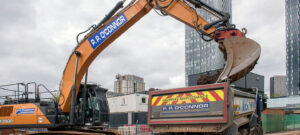
Long-term performance is determined by the quality of the substructure. Small gardens in Norwich commonly face some or all of these three problems with their substructure: poor drainage, unstable ground, and construction waste from previous builders. The systematic method to remediate such issues is:
- Clear and excavate the entire worksite to a depth of 150-200mm.
- Place down a MOT Type 1 sub-base and compact in layers for stability.
- Outline the whole garden perimeter with either precast concrete kerbs or natural stone.
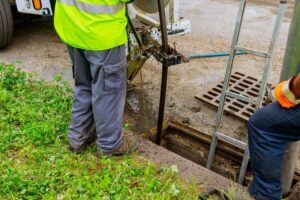
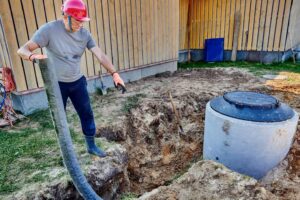
- Implement site drainage solutions including soakaways or french drains to accommodate drainage conditions found in Norfolk.
The preparation for this work represents as much as 60-70% of a project’s value but ensures durability. Based on our vast experience with Norwich sites, we are confident we will adhere to all ground bearing and local water drainage standards.
Select Appropriate Hard Landscaping Materials
The main framework of the garden is created by hard landscaping. For gardens with limited space, we suggest the following specifications to create a successful design:
- Light-toned, frost-resistant ceramic tiles or buff sandstone paving (the lighter in tone, the more light reflects).
- Laying in simple rectangular patterns with minimal joints.
- Ensuring that there is permeable surfacing to manage surface water from rainfall.
How much does it cost to landscape a garden?
A budget of £3,500-£7,000 will cover the basic elements (patio, paths, and edges) of a standard-sized garden in Norwich. A complete approach with the inclusion of retaining features can easily result in costs reaching over £10,000. Costs will vary depending on site access, volume of excavated materials and other factors associated with product specifications. Once all measurements are taken, HM Groundworks will provide you with a comprehensive and itemised quote.
Incorporate Strategic Level Changes
Visual interest and functionality can be enhanced by adding subtle variations in level:
- Raised planters (height usually between 30-60cm) located along boundary fences
- Gentle steps (maximum 150mm rise) leading to elevated seating platforms
- Low retaining kerbs defining terraces on sloping sites
These features aid drainage, define spatial zones, and retain usability on properties with different topography (e.g., Norwich) without compromising usable area. Selection of durable edging materials to minimise soil movement and facilitate maintenance is required.
Implement Low-Maintenance Planting Schemes
Complement hard landscaping with functional and space-conscious plants through the use of:
- Structural evergreens (small forms of hebe and lavender)
- Perennial plants (geraniums and sedums) for seasonal interest
- Vertical climbing plants (such as clematis and honeysuckle) on trellis systems
Elevated planters overcome limitations posed by clay soil to improve root development and access. Choose species suited for the Norfolk environment that will grow with minimal maintenance. Use organic mulch after planting to control weeds and retain moisture.
Optimise Space Utilisation
Use integrated solutions to maximise efficiency:
- Space-saving wall-mounted planters and modular storage units
- Landscaped pathways with edging constraints
- Pathway lighting using low voltage or solar technology
These solutions create a more functional space for evenings and preserve existing floor space.
Establish a Maintenance Regime
To maintain longevity after completion:
- Rinse away dirt and debris from hard surfaces each year to maintain cleanliness
- Mow lawns every two weeks for the entire growing season
- Drainage inspection in autumn – maintain proper drainage and mulching
- Providing winter protection for containerised plants will include horticultural fleece and insulation
Engage Qualified Professionals
The typical cost of accomplishing small garden transformations is between £4,500 and £12,000, depending on the extent of groundworks required. By selecting qualified landscape gardeners in Norwich who have much experience in groundworks, you will limit risk regarding coordination and ensure seamless execution.
HM Groundworks offers a complete managed service for projects ranging from site clearances to laying final turf, providing certification of complete insurance and waste disposal.
Conclusion
A small Norwich garden can grow into a fantastic area if planned and developed carefully. By focusing on quality groundworks, designing a well-organised layout and using durable materials for your area, you can create an outdoor room that beautifies your home and avoids constant maintenance issues in the future. At HM Groundworks, we have successfully implemented these projects at multiple locations and have repeatedly proven that we can deliver a stable base and professional finish that will withstand Norfolk’s harsh weather conditions for many years. These services will help you create a functional part of your home – beautiful, useful and built to last. Begin your project by performing an in-depth site assessment; quality groundwork will produce long-lasting value.