
Every build starts the same way. Someone has to clear the land first. Sounds simple enough — dig it out, tidy up, start building. But site clearance Norwich sites throw up more surprises than people expect, especially on older plots near the city centre. Here are seven problems that catch developers and homeowners out most often, and how good site clearance contractors get ahead of them.
1. Old foundations nobody knew were there
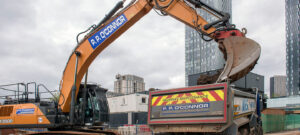
Norwich has been built and rebuilt for centuries. Under a plot that looks empty, you’ll often find old brick footings, forgotten cellars, or the remains of a building that came down decades ago. Digging these out takes more time and heavier kit than a straightforward clear-and-grade job.
2. Tree roots that won’t let go
Cut a tree down and the roots often stay put for years. On older Norwich gardens and estates, roots can run well past the tree’s original footprint. If they’re not dug out fully, they’ll crack a new slab or foundation long after the job is finished.
3. Drains and pipes nobody mapped
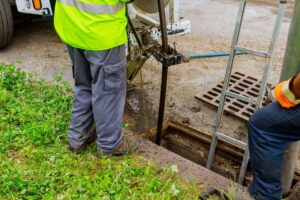
A lot of Norwich sits on older housing stock, and plenty of it went up before proper utility records existed. Old pipework, a forgotten septic tank, or a service that was never logged anywhere can bring a dig to a sudden stop while it’s made safe.
4. Contaminated or unstable ground
Land that once held a factory, garage, or sits near old railway sidings can carry contamination in the soil. This needs testing, and if it’s confirmed, licensed disposal. Skipping that step isn’t just risky. It can also land you in breach of environmental rules.
5. Tight access on older streets
Plenty of Norwich’s older terraces and side streets were never built with modern machinery in mind. Narrow lanes, tight side passages, and on-street parking all limit what can get through. Site clearance contractors who bring compact plant as standard get through jobs like this far quicker than teams who show up with kit that’s too big for the gap.
6. Norfolk’s clay soil and wet weather
Norfolk’s ground is heavy on clay in a lot of areas, and clay turns to sludge fast once the rain sets in. A site that looked fine on the initial visit can be a mess a week later. That slows excavation down and pushes costs up if it isn’t planned for.
7. Waste that costs more to get rid of than expected
Old asbestos sheeting, treated timber, and mixed rubble all need specific, licensed disposal routes. Any building put up before 2000 has to be treated as a possible asbestos risk until a survey rules it out. Sites cleared without checking this properly can end up facing fines, or a failed inspection much further down the line.
Why These Problems Get More Expensive the Later They’re Found
Every one of these issues is manageable, cheap even, if it’s spotted before work starts. The cost only climbs once machinery is already on site, a skip is half full, or a foundation’s already been poured over ground that wasn’t checked properly. A proper site walk-over and desktop check on utility records, before a single spade goes in, is the cheapest insurance on any project.
Site Clearance Norwich Jobs: What Good Preparation Looks Like
The best site clearance contractors don’t just turn up and start digging. They walk the site first, check what’s underground where they can, and plan the waste routes before anyone touches a machine. A few things worth asking any contractor before you sign off:
- Do they check utility records and old site plans before starting?
- Is an asbestos survey arranged if the site has any pre-2000 structures?
- Do they carry compact machinery for tight or restricted access?
- Is waste disposal licensed and traceable, with paperwork you can keep?
- Will the same team handle clearance and the groundwork that follows?
Site preparation contractors who tick all five of those boxes tend to be the ones who don’t come back a month later asking for more money because something wasn’t accounted for.
Site Clearance vs Demolition — Are They the Same Thing?
Not quite. Site clearance covers vegetation, debris, old surfaces and smaller structures. Demolition means taking down a standing building, and it comes with its own rules around asbestos surveys, structural safety and notifying the council in some cases. Plenty of Norwich projects need both, in sequence, which is exactly why using one team for the whole job tends to be simpler than juggling two separate contractors.
How Long Does Site Clearance Take in Norwich?
A small residential clearance, a garden or a single outbuilding, usually takes one to three days. Larger commercial sites, especially ones needing excavation or asbestos removal, can run from one to four weeks. Weather, access, and what turns up underground all move that timeline, which is exactly why the early checks matter so much.
Doing Site Clearance Right, With HM Groundworks and Construction Ltd
HM Groundworks and Construction Ltd has 15 years of combined experience clearing and preparing sites across Norwich and Great Yarmouth. The team is Safe Contractor approved, SSIP accredited and ISO certified, and handles clearance, groundwork and drainage under one roof rather than passing the job between separate trades. That matters most exactly where the problems above tend to show up: old ground, tight access, and sites where nobody’s entirely sure what’s underneath until someone starts digging.
If you’ve got a site in Norwich that needs clearing before the real building work starts, get someone out to look at it properly first. HM Groundworks and Construction Ltd can walk the ground, flag anything that might cause a problem later, and give you a clear plan before any machinery turns up.