
In the world of construction, there is an old adage: “A building is only as strong as its foundation.” While the architectural design and the aesthetic finishes of a structure often garner the most attention, the true hero of any successful build lies beneath the surface. For residential homeowners and commercial developers alike, the initial stages of a project, the groundworks, dictate the longevity, safety, and structural integrity of the entire edifice.
When embarking on a new project in East Anglia, partnering with experienced groundwork contractors Norwich is the first step toward ensuring a build that stands the test of time. Companies like HM Groundworks and Construction Ltd bring a wealth of expertise to the table, transforming raw land into a stable, engineered base ready for vertical construction. This detailed guide explores the intricate processes involved in professional groundwork and why they are essential for a reliable foundation.
The Critical Role of Groundworks in Modern Construction
Groundwork is a broad term that encompasses all the sub-surface work required before the walls of a building start to rise. It involves everything from the initial site clearance and soil testing to the installation of complex drainage systems and the pouring of reinforced concrete footings. In a region like Norfolk, where soil conditions can vary from heavy clay to sandy loam, the importance of localized knowledge cannot be overstated.
The primary goal of groundworks Norwich is to provide a level, stable, and dry platform. Without this, even the most expensive building materials will eventually succumb to subsidence, moisture ingress, or structural cracking. According to research by the National House Building Council (NHBC), foundation-related issues account for a significant portion of long-term structural insurance claims in the UK, often costing tens of thousands of pounds to rectify. This statistic highlights why getting the groundworks right the first time is a non-negotiable priority.
1. Professional Site Clearance: Setting the Stage
Every reliable foundation begins with a clean slate. Site clearance is far more than just “tidying up” a plot of land; it is a systematic removal of obstacles that could compromise the sub-structure.
Removing Organic Matter and Debris
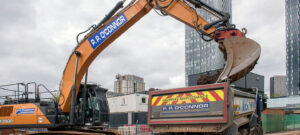
At HM Groundworks and Construction Ltd, the process begins by stripping away “vegetation and topsoil.” This organic material is compressible and prone to rotting; if left beneath a foundation, it would eventually shrink, leading to air pockets and uneven settling. Professional contractors use heavy machinery to remove trees, deep-rooted shrubs, and old building rubble, ensuring that only stable, inorganic subsoil remains.
Environmental Responsibility
Modern site clearance also involves the responsible management of waste. Professional teams ensure that materials are sorted and recycled where possible, adhering to UK environmental regulations. By clearing the site to a specific “reduced level,” contractors create the necessary space for the engineered layers of the foundation to be installed.
2. Site Preparation and Foundation Work Norwich: The Engineering Phase
Once the site is clear, the focus shifts to the scientific aspect of the build. This phase, often categorized under site preparation and foundation work Norwich, is where the structural requirements of the building are matched with the physical properties of the earth.
Soil Analysis and Load Bearing
Different buildings exert different pressures on the ground. A two-story residential extension requires a different approach than a heavy-duty industrial warehouse. Experts analyze the soil’s load-bearing capacity to determine which type of foundation is necessary. In areas of Norwich with high water tables or soft clay, specific engineering solutions are required to prevent “heave” or “shrinkage.”
Precision Excavation
Using laser-guided equipment, contractors excavate trenches to the exact depths and widths specified by structural engineers. This precision ensures that the weight of the future building is distributed evenly across the soil. It is estimated by industry experts that groundworks typically represent 10% to 20% of the total construction cost of a project, yet they provide 100% of the structural support.
3. Specialized Commercial Groundwork Services Norwich
Commercial projects often demand a higher level of complexity due to the scale of the structures and the intensity of the “live loads” they must support (such as heavy machinery or high-volume foot traffic).
Deep Drainage and Infrastructure
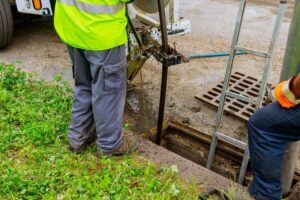
A key component of commercial groundwork services Norwich is the installation of robust drainage systems. Foundations must be protected from water saturation, which can weaken the soil. HM Groundworks specializes in:
- Foul Drainage: Safely transporting waste away from the site.
- Soakaways and Attenuation: Managing rainwater runoff to prevent site flooding.
- Treatment Plants: Installing self-contained systems for rural or disconnected sites.
Reinforced Concrete and Piling
For larger commercial units, standard footings may not suffice. In these instances, contractors might utilize piled foundations, where concrete pillars are driven deep into the earth to reach more stable strata. Alternatively, raft foundations may be used to “float” a building over weaker ground, spreading the load across a large, reinforced concrete slab.
4. The Importance of Floor Leveling and Concrete Precision
Even after the foundations are poured, the work is not complete. The “oversite” or the ground-floor slab must be perfectly level and durable.
Advanced Concrete Techniques
As experienced concrete floor installation contractors, HM Groundworks and Construction Ltd utilizes advanced batching and pumping techniques. This ensures that the concrete is consistent in its mix, preventing weak spots that could lead to future cracking.
Screeding and Finishing
For industrial applications, a perfectly level floor is essential for the safe operation of equipment like forklifts. Contractors often apply a floor leveling compound for concrete to achieve a mirror-smooth finish. This attention to detail in the early stages makes the final floor installation, whether it be resin, tile, or polished concrete, far easier and more successful.
5. Ensuring Compliance and Quality Standards
One of the greatest benefits of hiring a professional firm for Norwich groundworks is the peace of mind that comes with accreditation and safety compliance. Groundwork is inherently dangerous, involving deep excavations and heavy plant machinery.
Accreditations and Safety
HM Groundworks and Construction Ltd is Safe Contractor approved and SSIP accredited. These certifications mean the company adheres to rigorous health and safety protocols, protecting both the workers on-site and the client’s liability. Furthermore, being an ISO Certified contractor ensures that quality management systems are in place, meaning every stage of the project is documented and checked against national standards.
Working with Structural Engineers
Professional groundwork teams do not work in isolation. They maintain clear lines of communication with structural engineers and local building control officers. This collaborative approach ensures that every foundation pour is inspected and signed off, which is a critical requirement for securing building warranties and future property sales.
Conclusion: The Foundation of Your Future
Investing in high-quality groundworks is the most effective way to protect your construction investment. By clearing the site effectively, analyzing the soil, and installing engineered foundations with precision, professional contractors eliminate the “invisible” risks that often plague poorly managed builds.
Whether you are planning a small residential extension or a major commercial development, remember that the quality of your groundworks Norwich will determine the success of everything built above it